



Adamax Peptide – Buy Adamax Peptide 10mg: Research Compound
Delve into the fascinating world of Adamax peptide, a cutting-edge research compound that is generating considerable interest in scientific communities. This guide provides an in-depth look at what Adamax is, its unique composition, and how it stands apart from similar research peptides.
| Peptide | Distinction |
|---|---|
| Adamax | Unique composition |
| Semax | Similar research peptide (for comparison) |
Understanding Adamax Peptide
Adamax is a synthetic peptide, drawing considerable attention in laboratory and research settings for its potential neurotrophic benefits. Scientists are increasingly exploring its applications, especially in areas requiring nuanced signal modulation. This research peptide is exclusively sold for research use, emphasizing its role in advancing our understanding of neurological functions and related mechanisms.
What is Adamax?
Adamax is a synthetic peptide, specifically a nootropic research peptide designed for rigorous laboratory research. Its distinct chemical structure, which includes an adamantane group, makes it a unique and valuable compound for scientists exploring its potential. Adamax is not intended for human consumption or veterinary use, maintaining its status as a dedicated research compound for advanced scientific inquiry.
Composition of Adamax Peptide
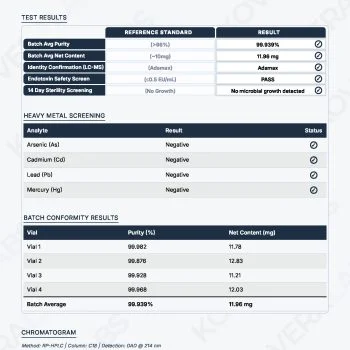
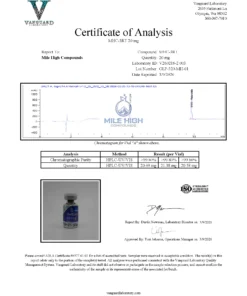
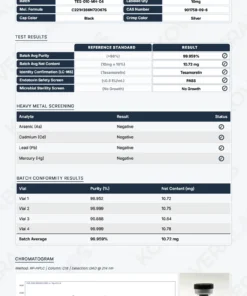
The Adamax peptide is provided as a high-purity, lyophilized powder, which researchers reconstitute for various experiments. Each batch of Adamax comes with a Certificate of Analysis (CoA), ensuring its quality and purity for laboratory and research use. This meticulous documentation is crucial for maintaining the integrity of research findings and upholding scientific standards.
| Feature | Details |
|---|---|
| Form | Lyophilized powder |
| Typical Vial Size | 10mg |
Differences Between Adamax and Semax
Both Adamax and Semax are neurotrophic peptides. Adamax is a synthetic peptide and a sophisticated Semax analog, specifically engineered for enhanced stability and efficacy.
| Feature | Adamax | Semax |
|---|---|---|
| Type | Synthetic peptide, Semax analog | Neurotrophic peptide |
| Structure | Features an adamantane group for protection against enzymatic degradation | |
| Purpose of modification | Aims to improve blood-brain barrier crossing and TrkB receptor activation for enhanced synaptic plasticity in research. | |
Research Applications of Adamax Peptide
Adamax Peptide Benefits
The Adamax peptide presents a compelling subject for extensive laboratory research, with its neurotrophic properties offering significant potential benefits. Researchers are actively exploring how this advanced synthetic peptide can modulate crucial brain functions, observing its impact on synaptic plasticity and neuronal growth. The unique structure of Adamax, especially when compared to its predecessor Semax, suggests a more robust and sustained signal delivery, making it an invaluable tool for understanding complex neurological pathways in a controlled laboratory setting.
Potential of Adamax as a Semax Analog
Adamax is a synthetic peptide that has garnered considerable attention as a highly effective Semax analog, specifically engineered for superior performance in research settings. This enhanced design aims to overcome some of the limitations observed with Semax, making Adamax a prime candidate for advanced laboratory and research use. Its improved stability and ability to activate the TrkB receptor more efficiently underscore its potential to revolutionize peptide research and provide a deeper understanding of neurotrophic factors and their influence on brain health for research purposes.
Lyophilized Adamax Peptide: Importance for Researchers
For researchers, the provision of Adamax as a high-purity, lyophilized powder in a 10mg vial is paramount. This lyophilized form ensures maximum stability and purity of the research peptide, safeguarding its integrity during storage and prior to reconstitution. Each batch of Adamax comes with a Certificate of Analysis (CoA), guaranteeing its research-grade quality and confirming it is protected from light. This meticulous attention to detail is vital for accurate and reproducible experimental results, solidifying Adamax’s role as a reliable research compound exclusively sold for research use and not for human or veterinary consumption.
Buying Adamax Peptide 10mg
Where to Buy Adamax Peptide
When seeking to buy Adamax peptide for your laboratory research, it is crucial to prioritize reputable suppliers. Look for vendors who specialize in research peptides and provide comprehensive documentation, such as a Certificate of Analysis (CoA), for each batch of Adamax. Ensuring the source offers high-purity, lyophilized Adamax in a 10mg vial, exclusively sold for research use, guarantees the integrity of your studies and protects against unreliable research compounds for your research purposes.
Factors to Consider When Purchasing
Several factors are paramount when purchasing Adamax peptide. Verify that the product is clearly labeled for research use only, distinguishing it from products intended for human consumption or veterinary use. Check for the availability of a Certificate of Analysis (CoA) to confirm the purity and authenticity of the lyophilized Adamax peptide. Furthermore, assess the supplier’s commitment to protecting the Adamax research peptide from light and ensuring proper storage to maintain its stability and effectiveness for your vital laboratory and research studies.
Understanding Certificates of Analysis (COA)
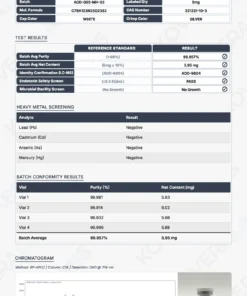
A Certificate of Analysis (CoA) is an an indispensable document when dealing with Adamax peptide, providing a detailed report on its quality and purity. This critical document confirms that the Adamax research peptide, often supplied as a lyophilized powder in a 10mg vial, meets specified standards for laboratory and research use. The CoA assures researchers of the high purity of each batch of Adamax, guaranteeing that the synthetic peptide is suitable for rigorous scientific investigation and not intended for human or veterinary consumption, bolstering confidence in your research outcomes.
Frequently Asked Questions about Adamax Peptide
Common Inquiries About Adamax Peptide
Researchers often have common inquiries regarding Adamax peptide, especially concerning its role as a neurotrophic research peptide and a sophisticated Semax analog. Questions frequently revolve around its unique adamantane group, which enhances its stability and its ability to activate the TrkB receptor, distinguishing it from Semax. Understanding that Adamax is a synthetic peptide exclusively for laboratory research use, typically supplied as a lyophilized powder in a 10mg vial, clarifies its specific application and proper handling for research purposes, while clearly stating it is not for human consumption or veterinary use.
Safety and Usage Guidelines
Adhering to strict safety and usage guidelines is paramount when working with Adamax peptide in a laboratory setting. Researchers must understand that Adamax is a synthetic peptide intended solely for research use and not for human or veterinary consumption. Proper reconstitution of the lyophilized powder in its 10mg vial and handling of the high-purity Adamax research peptide, while ensuring it is protected from light, are crucial. Following these protocols minimizes risks and upholds the integrity of your laboratory and research efforts, maximizing the benefit of your studies on this advanced research compound.
Research Chemical Regulations
Navigating the complex landscape of research chemical regulations is essential when working with Adamax peptide. As a potent research peptide and a sophisticated Semax analog, Adamax is strictly regulated and sold for research use only, emphasizing that it is not for human consumption or veterinary use. Researchers must be diligent in understanding and complying with all relevant guidelines pertaining to the acquisition, storage, and disposal of this high-purity, lyophilized synthetic peptide. This commitment ensures ethical and lawful conduct within your laboratory research, protecting both your studies and the wider scientific community.
Be the first to review “Adamax”
Related products


Peptides
Peptides





Reviews
There are no reviews yet.