
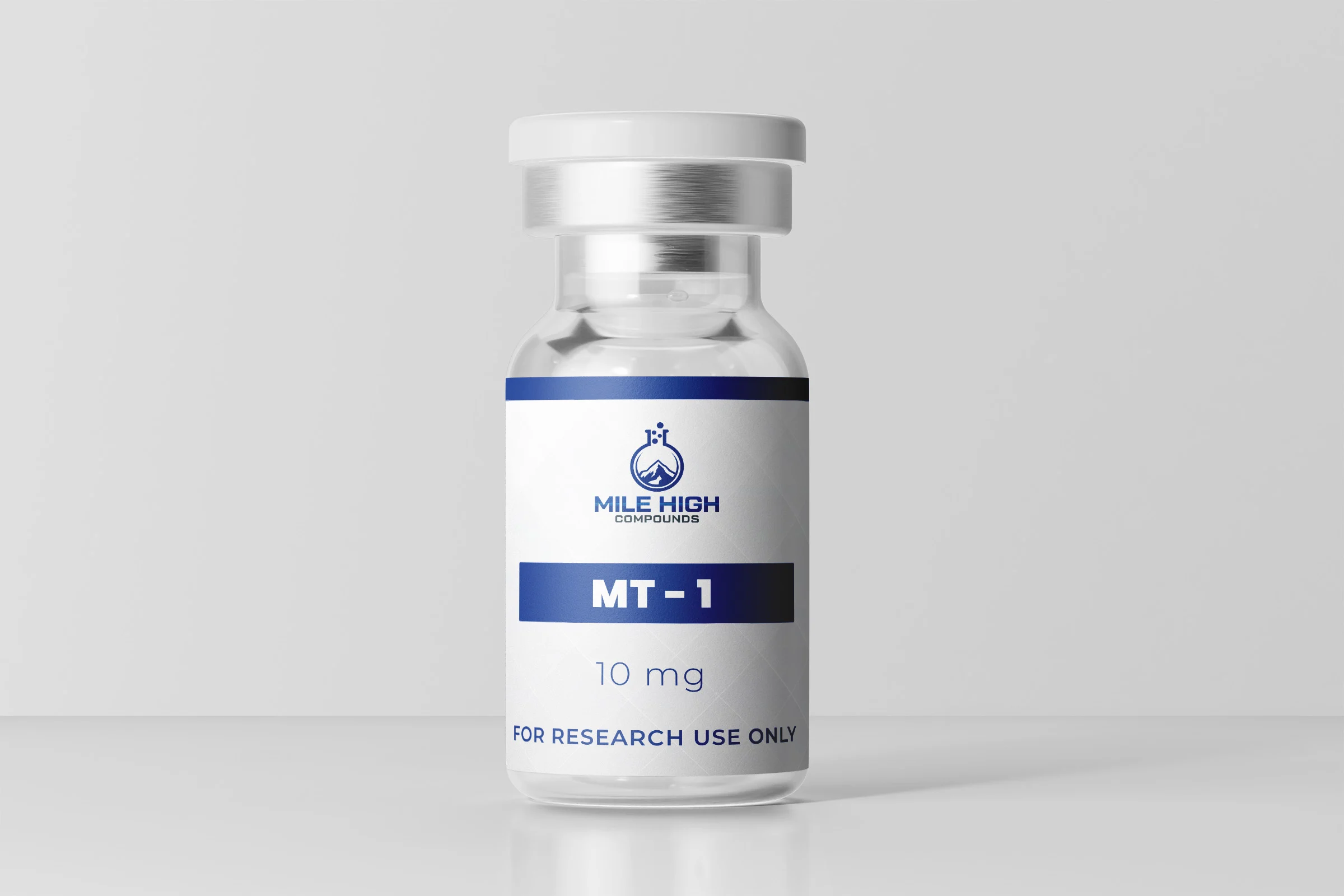


MT-1 Peptide – Buy Melanotan 1 (MT-1) 10mg Research Peptide
Delve into the fascinating world of MT-1 peptide, a remarkable research compound. This article will guide you through its characteristics, research applications, and its significance in scientific exploration. Discover how Melanotan 1, a synthetic peptide, offers invaluable opportunities for understanding various biological processes.
Introduction to Melanotan 1
Melanotan 1, also known as MT-1, represents a fascinating area of scientific inquiry, primarily recognized for its role in influencing skin pigmentation. This synthetic peptide is a potent analog of the naturally occurring alpha-melanocyte-stimulating hormone (α-MSH), a key player in the complex melanogenesis pathway. Researchers are particularly interested in its ability to selectively activate the melanocortin 1 receptor (MC1R), making it a valuable tool for studying cellular signaling and receptor activation processes. Understanding this peptide’s intricate mechanisms offers profound insights into dermatological research and beyond, highlighting its importance as a research peptide.
What is Melanotan 1?
Melanotan 1, or MT-1, is a groundbreaking synthetic peptide that acts as an agonist for the melanocortin 1 receptor (MC1R). It is an analog of alpha-melanocyte-stimulating hormone (α-MSH), a naturally occurring melanocortin peptide that plays a crucial role in skin pigmentation. This research peptide is meticulously synthesized to mimic and enhance the natural processes of melanin production, particularly the creation of eumelanin. Its primary mechanism involves activating the MC1R on melanocytes, thereby initiating a signaling pathway that leads to increased melanin synthesis, offering significant potential for understanding pigmentation disorders and the effects of UV radiation on the skin. When you buy Melanotan 1 for research use, you are acquiring a powerful tool for scientific exploration.
Overview of MT 1 Peptide
The MT-1 peptide is a linear melanotropic peptide composed of 13 amino acids. Its carefully engineered structure allows it to bind specifically to the melanocortin 1 receptor (MC1R), making it a highly selective agonist. This specific receptor activation is paramount for initiating the cellular signaling pathway that culminates in enhanced melanin production, primarily eumelanin.
| Feature | Description |
|---|---|
| Form | Lyophilized 10mg |
| Receptor Selectivity | Higher for MC1R over MC3R, MC4R, and MC5R |
| Purpose | Laboratory research (not for human or veterinary use) |
Unlike Melanotan II, MT-1 exhibits higher selectivity for MC1R over other melanocortin receptors, which makes it a more precise tool for studying the intricacies of melanogenesis and skin pigmentation without significant off-target effects.
Research Applications of Melanotan 1
Melanotan 1 boasts a wide array of research applications, predominantly in the field of dermatology and photoprotection. Scientists extensively utilize this melanocortin peptide to investigate the mechanisms of melanin synthesis, the effects of UV radiation on skin cells, and the genetic factors influencing skin pigmentation. Its ability to stimulate the production of eumelanin, a protective form of melanin, makes it invaluable for studying potential therapeutic strategies for conditions like erythropoietic protoporphyria (EPP), where increased melanin can reduce photosensitivity. Furthermore, researchers employ Melanotan 1 to explore receptor signaling pathways, gene expression related to pigmentation, and various cellular responses in vitro. This powerful research peptide, often purchased as Melanotan 1 10mg, is an essential tool for advancing our understanding of these complex biological processes.
Activation and Signaling Pathways
Receptor Activation Mechanisms
The activation of the melanocortin 1 receptor (MC1R) by Melanotan 1 is a finely tuned process critical for initiating downstream signaling events. As a potent agonist, MT-1 effectively mimics the action of the endogenous alpha-melanocyte-stimulating hormone (α-MSH), binding specifically to the MC1R located on the surface of melanocytes. This binding induces a conformational change in the receptor, which in turn triggers a cascade of intracellular events. This initial receptor activation is the crucial first step in the melanogenesis pathway, ultimately leading to increased melanin production. Understanding these intricate mechanisms is vital for researchers utilizing this melanocortin peptide to study skin pigmentation and cellular responses.
Role of MC1R in Melanotan 1 Effects
The melanocortin 1 receptor (MC1R) stands as the primary mediator of Melanotan 1’s profound effects on skin pigmentation. When Melanotan 1, a highly specific synthetic peptide analog, binds to the MC1R, it initiates a complex signaling pathway that culminates in the increased synthesis of eumelanin, the dark protective form of melanin. This targeted interaction ensures that the activation is specific to the cells responsible for pigmentation, thereby minimizing off-target effects observed with less selective melanocortin receptor agonists. Researchers buy Melanotan 1 10mg specifically to leverage this receptor selectivity for precise investigations into the mechanisms of melanogenesis and photoprotection.
Signaling Pathways Involved in Cellular Activation
The activation of MC1R by Melanotan 1 sets in motion a sophisticated intracellular signaling pathway. Upon receptor binding, a cascade of events unfolds:
- Adenylyl cyclase is activated, leading to an increase in cyclic adenosine monophosphate (cAMP) levels within the melanocyte.
- This surge in cAMP subsequently activates protein kinase A (PKA), which then phosphorylates and activates several downstream targets, including the cAMP response element-binding protein (CREB) and microphthalmia-associated transcription factor (MITF).
- MITF is a master regulator of melanogenesis, controlling the expression of key enzymes involved in melanin synthesis, such as tyrosinase.
This intricate cascade ultimately results in enhanced melanin production, offering valuable insights into how MT-1 can increase melanin and provide photoprotection against UV radiation.
Peptide Composition and Formulation
Understanding the 10mg Lyophilized Form
The 10mg lyophilized form of Melanotan 1 is a testament to meticulous scientific preparation, ensuring the stability and purity of this crucial research peptide. Lyophilization, or freeze-drying, is a sophisticated process that removes water from the Melanotan 1 peptide while it is in a frozen state, transforming it into a stable powder. This method significantly extends the shelf life of MT-1, preserving its structural integrity and biological activity for prolonged periods, which is essential for accurate and consistent laboratory research. Researchers who buy Melanotan 1 10mg can be confident in the quality and reliability of the product, knowing it retains its full potential to activate the melanocortin 1 receptor (MC1R) and stimulate melanin production. This careful formulation ensures that the MT-1 peptide remains a potent agonist, ready for reconstitution and precise studies into melanogenesis and skin pigmentation, underscoring its value as a premier synthetic peptide for scientific exploration.
Melanotan 1 Peptide Structure
The Melanotan 1 peptide, also known as MT-1 or afamelanotide, possesses a distinctive linear structure composed of 13 amino acids, meticulously designed to mimic the active core sequence of the endogenous alpha-melanocyte-stimulating hormone (α-MSH). This specific sequence is critical for its remarkable ability to selectively bind to and activate the melanocortin 1 receptor (MC1R). The unique arrangement of these amino acids is what grants MT-1 its high specificity and potency as a melanocortin receptor agonist, ensuring that the signal cascade for melanin production is initiated with precision. Researchers meticulously study this synthetic peptide analog to understand the subtle nuances of receptor activation and the subsequent cellular responses, making it an invaluable tool for exploring gene expression related to pigmentation and the broader melanocortin signaling pathway. The structural integrity of Melanotan 1 is paramount for its effective function in vitro research, enabling accurate insights into the mechanisms that increase melanin and provide photoprotection against UV radiation.
Comparing MT-1 with Other Melanocortin Peptides
When comparing Melanotan 1 (MT-1) with other melanocortin peptides, particularly Melanotan II (MT-II), its high selectivity for the melanocortin 1 receptor (MC1R) stands out as a defining characteristic. While both are synthetic peptide analogs of α-MSH designed to stimulate melanin production and promote a tan, MT-1 is revered for its precise targeting of MC1R, minimizing off-target effects associated with other melanocortin receptors.
| Peptide | Key Characteristic |
| Melanotan 1 (MT-1) | High selectivity for MC1R, minimizes off-target effects (MC3R, MC4R, MC5R). Ideal for research focused solely on skin pigmentation and melanocyte activation. |
| Melanotan II (MT-II) | Less selective, broader physiological impacts. |
This specificity makes Melanotan 1 an ideal research peptide for studies focused solely on skin pigmentation and the activation of melanocytes, without the broader physiological impacts observed with less selective agonists. For researchers aiming to dissect the intricacies of melanogenesis and the cellular response to UV radiation with unparalleled accuracy, Melanotan 1 10mg is the preferred choice. Its focused action provides cleaner data, enhancing our understanding of how to increase melanin effectively and safely, distinguishing it as a superior tool for dedicated dermatological research and explorations into photoprotection against solar UV.
Melanotan 1 for Sale: Purchasing Options
Where to Buy Melanotan 1 Online
When seeking to buy Melanotan 1 online, researchers are presented with numerous options, yet discerning a reputable source is paramount for ensuring product quality and experimental integrity. It is crucial to look for suppliers specializing in research peptides, who can provide documentation regarding the purity and authenticity of their Melanotan 1 10mg lyophilized form. A reliable vendor will clearly state that the MT-1 peptide is strictly for laboratory research and not for human or veterinary use, emphasizing its designation as a research peptide. This diligence guarantees that the synthetic peptide analog you acquire will be effective in your studies concerning melanocortin 1 receptor (MC1R) activation and melanin production, leading to accurate and reproducible results in your investigations of pigmentation and photoprotection.
Factors to Consider When Buying MT-1
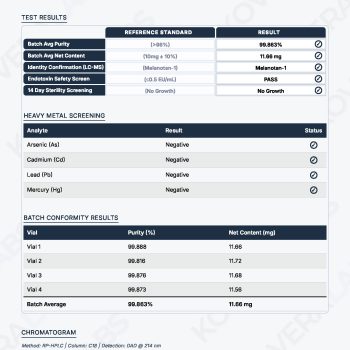
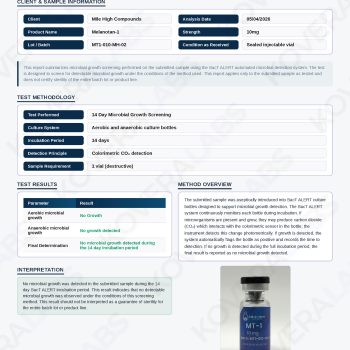
When considering Melanotan 1 for sale, several critical factors must be carefully evaluated to ensure a successful and reliable research experience. Foremost among these is the purity of the MT-1 peptide, as contaminants can significantly skew experimental outcomes related to MC1R activation and eumelanin synthesis. Always scrutinize third-party lab reports or certificates of analysis provided by the vendor, which should confirm the peptide’s authenticity and concentration. Furthermore, examine the formulation; the 10mg lyophilized form is standard and ensures stability. Understanding the storage and handling recommendations is also vital to maintain the integrity of the melanotropic peptide, ensuring that its ability to stimulate melanin production and its role as an α-MSH analog remain uncompromised throughout your laboratory research.
Safety and Quality Assurance in Peptide Purchases
Ensuring safety and quality assurance is non-negotiable when purchasing research peptides like Melanotan 1. Reputable suppliers will prioritize stringent quality control measures, including comprehensive testing for purity, identity, and potency, often providing detailed reports with each Melanotan 1 10mg purchase. This commitment to quality minimizes the risk of experimental variability and ensures that the MT-1 peptide you receive is a true synthetic peptide analog capable of accurate melanocortin 1 receptor (MC1R) activation. Always opt for vendors who explicitly state that their products are for laboratory research use only, emphasizing that they are not intended for human or veterinary use. This diligence safeguards your research, ensuring the integrity of your studies on pigmentation, melanin synthesis, and the cellular signaling pathway involved in increasing melanin and providing photoprotection against UV radiation.
Research Use and Experimental Applications
Laboratory Research with Melanotan 1
In the realm of laboratory research, Melanotan 1 (MT-1) serves as an invaluable tool for exploring the intricate mechanisms of pigmentation and beyond. Researchers meticulously utilize this potent research peptide to investigate its effects on melanocytes, observing how it stimulates the melanocortin 1 receptor (MC1R) and subsequently increases melanin production, specifically eumelanin synthesis. The 10mg lyophilized form of Melanotan 1 allows for precise dosing and consistent results in vitro studies, facilitating a deeper understanding of the cellular signaling pathway activated by this α-MSH analog. These experimental applications are crucial for advancing knowledge in dermatology, photoprotection against solar UV, and potentially identifying new therapeutic targets for conditions related to skin pigmentation and receptor activation.
Impact on Pigmentation and Eumelanin Synthesis
The profound impact of Melanotan 1 on pigmentation and eumelanin synthesis is a cornerstone of its research utility. As a highly selective agonist for the melanocortin 1 receptor (MC1R), MT-1 effectively mimics the action of the endogenous alpha-melanocyte-stimulating hormone (α-MSH), driving the melanocytes to increase melanin production. This leads predominantly to the synthesis of eumelanin, a dark, protective form of melanin known for its photoprotective properties against UV radiation. Scientists conducting laboratory research use Melanotan 1 10mg to meticulously study this pathway, observing how the peptide analog activates the cellular signaling pathway to achieve a tan. Understanding these mechanisms is vital for developing strategies to manage various skin conditions and enhance natural defenses against solar UV.
Future Directions in Melanotan Research
The future directions in Melanotan research hold immense promise, extending beyond its well-established role in pigmentation studies. Scientists continue to explore the broader implications of the melanocortin signaling pathway, investigating how MT-1 peptide’s specific activation of the melanocortin 1 receptor (MC1R) might influence other biological processes. Further research using Melanotan 1 10mg aims to uncover new gene expression patterns related to cellular responses, potentially revealing novel applications for conditions like erythropoietic protoporphyria (EPP), where increasing melanin can significantly improve quality of life. The ongoing exploration of this synthetic peptide analog promises to deepen our understanding of α-MSH, melanogenesis, and the complex interplay between the body’s natural defenses and external stimuli like UV radiation, continually pushing the boundaries of scientific discovery.
Be the first to review “MT-1”
Related products
Peptides


Peptides


Peptides



Reviews
There are no reviews yet.