

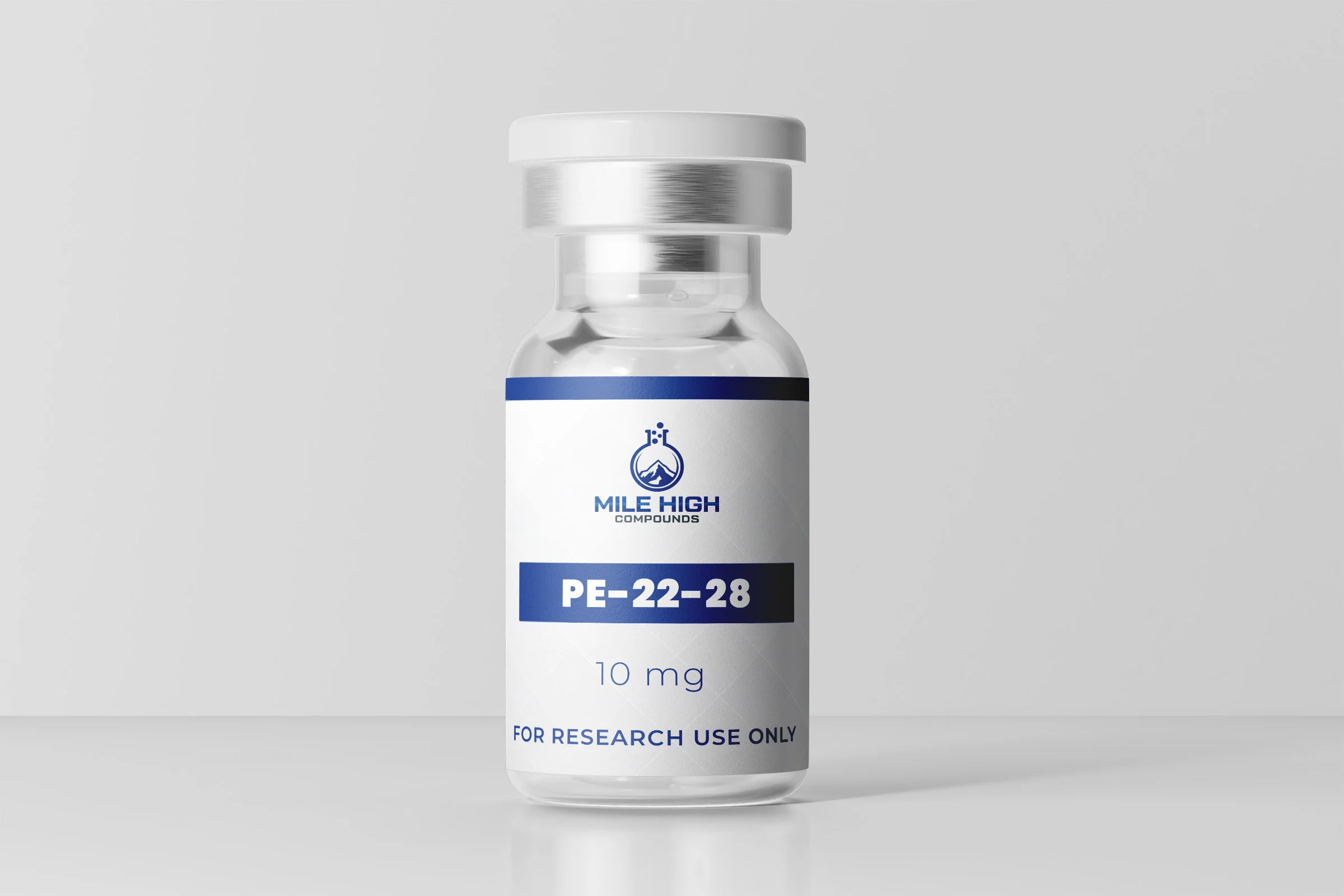




PE 22-28 Peptide – Buy PE 22-28 Research Peptide 10mg Online
Delve into the fascinating world of PE 22-28, a cutting-edge research peptide with significant implications for neuroscience and antidepressant activity. This article will provide a comprehensive review of its properties, mechanisms, and potential benefits, guiding researchers in understanding why to buy PE 22-28 for their studies.
Introduction to PE 22-28 10mg
What is PE-22-28 Peptide?
PE-22-28 is a synthetic sortilin-derived peptide, also recognized as a spadin analog, that has garnered considerable attention in scientific research. This peptide acts as a specific inhibitor of the TREK-1 potassium channel, a crucial neuronal receptor involved in various physiological processes. Its unique structure and mechanism of action make it a promising candidate for exploring new therapeutic avenues, particularly in mood disorder research.
Importance of Research Peptides
Research peptides like PE-22-28 are invaluable tools for understanding complex biological pathways and developing novel therapeutic strategies. They allow scientists to precisely target specific receptors or enzymes, offering a more nuanced approach compared to traditional small molecule drugs. The ability to manipulate discrete biological signals with peptides opens doors for advancements in areas such as neurogenesis, synaptic plasticity, and antidepressant drug design.
Overview of Trek-1 Channel and its Role
The TREK-1 potassium channel, a member of the two-pore-domain potassium channel family, plays a vital role in regulating neuronal excitability and protecting against cellular stress. Its widespread presence in the central nervous system, particularly in areas relevant to mood regulation, makes it an attractive target for antidepressant activity. Dysregulation of TREK-1 channel activity has been implicated in various neurological and psychiatric conditions, underscoring its importance in maintaining brain health and function.
Mechanism of Action
How PE 22-28 Functions in Vivo
In vivo studies have been instrumental in elucidating how PE 22-28, a sortilin-derived peptide, exerts its therapeutic effects within living organisms. As a specific TREK-1 channel inhibitor, this novel antidepressant spadin analog modulates neuronal excitability, contributing to its antidepressant activity. Researchers such as Mazella and Heurteaux have conducted extensive studies in rodent and other animal models to understand the comprehensive in vivo signaling pathways affected by this peptide.
Interaction with BDNF
A crucial aspect of PE 22-28’s mechanism involves its interaction with Brain-Derived Neurotrophic Factor (BDNF). This sortilin-derived peptide has been shown to enhance the levels and activity of BDNF, a key neurotrophin vital for neurogenesis, synaptic plasticity, and neuronal survival. The modulation of BDNF pathways by PE 22-28, as documented by Heurteaux C and Moha Ou Maati, is believed to contribute significantly to its antidepressant and neuroprotective benefits.
Role as an Inhibitor in Antidepressant Activity
The primary role of PE 22-28 is its function as an inhibitor of the TREK-1 potassium channel, making it a potent TREK-1 blocker. This inhibition leads to a cascade of effects that contribute to its profound antidepressant activity. By regulating neuronal excitability and promoting synaptic strengthening, PE 22-28, a synthetic spadin analog, offers a novel approach to antidepressant drug design, with research from Moreno and Borsotto highlighting its potential for treating mood disorders.
Buying PE 22-28 Peptide
Where to Buy PE-22-28 Online
For researchers looking to buy PE-22-28, several reputable online vendors specialize in research peptides. It is crucial to choose suppliers who provide high-quality, lab-tested PE 22-28 research peptide to ensure the integrity of your studies. When considering where to purchase, many platforms offer PE 22-28 for sale with features such as:
- Often available in convenient 10mg doses
- Ideal for precise experimental protocols and research consistency
Factors to Consider When Purchasing
When you buy PE 22-28, several factors should be carefully considered to ensure a successful purchase. To ensure you receive a high-quality product suitable for your scientific endeavors, it is important to:
- Prioritize suppliers who offer detailed product specifications, including purity reports and proper storage instructions.
- Check customer reviews and verify the supplier’s reputation for providing authentic research peptides, such as the sortilin-derived peptide.
Benefits of Buying 10mg Doses
Purchasing PE 22-28 in 10mg doses offers several benefits for researchers. This dosage size allows for precise measurements and minimizes waste, which is particularly important given the specialized nature of this research peptide. Furthermore, a 10mg dose is often sufficient for multiple experimental trials, making it a cost-effective option for ongoing studies into:
- The antidepressant activity of PE 22-28
- Its effects on the TREK-1 channel
Usage and Dosage
PE-22-28 Peptide Dosage
Determining the appropriate PE-22-28 peptide dosage is crucial for achieving desired research outcomes, particularly when studying its antidepressant activity. While specific dosages for human application are not established, in rodent models, studies by Heurteaux and Mazella have explored various concentrations to understand the optimal levels for modulating the TREK-1 channel. Researchers typically work with precise microgram per kilogram doses in vivo to observe significant neuronal and synaptic effects.
How to Use PE 22-28 Effectively
Effective utilization of PE 22-28 involves careful preparation and administration tailored to the specific research objectives. Given that PE-22-28 is a sortilin-derived peptide, it is typically reconstituted in sterile water or a suitable buffer before administration. For in vivo studies, researchers often employ subcutaneous or intraperitoneal injections to ensure systemic distribution and interaction with the TREK-1 channel, thus facilitating its antidepressant activity. Strict adherence to experimental protocols is essential.
PE 22 28 Peptide Benefits
The potential PE 22-28 peptide benefits are extensive, particularly in the realm of neuroscience and mood disorder research. As a novel antidepressant spadin analog, PE 22-28 has shown promise in promoting neurogenesis and enhancing synaptic plasticity, as highlighted by Heurteaux C and Moha Ou Maati. Its ability to act as a TREK-1 channel inhibitor contributes to its antidepressant activity, offering a new avenue for antidepressant drug design and potentially addressing conditions where existing treatments fall short.
Potential Side Effects and Precautions
While PE-22-28 is a research peptide with significant potential, it is imperative to acknowledge potential side effects and exercise precautions, especially in animal models. Although studies by Mazella and Borsotto have generally reported good tolerability in rodents, careful monitoring for any adverse reactions or behavioral changes is crucial. As with any potent TREK-1 blocker, understanding its systemic effects beyond its primary antidepressant activity requires thorough investigation and adherence to ethical research guidelines.
Review of PE-22-28 Research
Current Studies on PE-22-28
Current studies on PE-22-28 are actively exploring its multifaceted roles as a sortilin-derived peptide and a TREK-1 channel inhibitor. Research continues in various animal models, including rodent studies, to further elucidate its mechanisms of action, particularly how it modulates neuronal excitability and promotes antidepressant activity. Scientists like Heurteaux and Mazella J are at the forefront, investigating its impact on synaptic function and its potential for hippocampal neurogenesis, contributing to a comprehensive review.
Findings on Antidepressant Activity
Key findings on the antidepressant activity of PE-22-28 consistently highlight its promise as a novel therapeutic agent. As a potent TREK-1 blocker, this spadin analog has demonstrated significant mood-elevating effects in various preclinical models. The research, often detailed by Moreno and Moha Ou Maati, points to its ability to enhance BDNF levels and activate CREB signaling, crucial pathways for neurogenesis and the long-term antidepressant benefits observed in vivo.
Future Research Directions
Future research directions for PE-22-28 are extensive and promising. Beyond its established antidepressant activity, studies could explore its potential in other neurological conditions, given its role in regulating the TREK-1 potassium channel. Investigations into its interaction with serotonergic pathways, detailed by Heurteaux C, and its long-term effects on synaptic plasticity and neurogenesis are warranted. Further preclinical and eventual clinical research will be essential to fully understand and harness the therapeutic potential of this remarkable research peptide.
Be the first to review “PE 22-28”
Related products











Reviews
There are no reviews yet.